
Water withdrawal
18.6Mcubic
meters
meters
(2024 = 18.9M cbm)
2%
decrease from 2024
(2024 = 18.9M cbm)
decrease from 2024
Water Neutrality
Companies, communities and ecosystems depend on access to reliable supplies of clean water. Population growth and economic development are putting increased pressure on the planet’s limited freshwater resources, with the UN forecasting a 40% shortfall by 2030. Today, climate change is primarily seen in extreme weather events and unpredictable rainfall impacting the availability and quality of freshwater.
These pressures may pose operational, reputational and financial risks to businesses, particularly in water-stressed regions such as parts of the Chinese Mainland. Supply chains may also be disrupted due to water scarcity that can impact on prices.
We use water in the production of beverages, for cleaning and cooling our facilities, and in providing services to our customers. Withdrawal and consumption of water, as well as wastewater discharge, can negatively impact the functioning of ecosystems and local communities’ access to water.
By practising water stewardship, we aim not only to safeguard our business but to contribute positively to water security within our sphere of influence.
To manage water responsibly, our businesses:
Reduce our freshwater use | Use alternative sources of water | |||
Safely discharge wastewater | Replenish water through partnerships | |||
Freshwater availability and quality are crucial to our business operations. Collective action is needed as water scarcity is a systemic, cross-boundary challenge. It is important that we have sound water management plans and work with other water users to improve water security in our operating locations and protect this shared resource for the future.
Our SD 2050 ambition is to be water neutral by 2050, with an interim target to reduce freshwater withdrawal by 2030. We aim to achieve this by minimising freshwater consumption through improving efficiency, leak repairs, and maximising water reuse and recycling opportunities.
Approximately 54% of the water withdrawn by Swire Coca-Cola goes into final beverage products, and there is no substitute for this. To manage the impact of our remaining water footprint, we replenish natural water sources in strategic locations through partnerships.
Our Sustainable Water Policy sets out our commitments to use water responsibly, ensure access to clean water, safely discharge wastewater, and protect natural water sources for the future.
We have a Water Working Group, which supports the implementation of our Sustainable Water Policy and the delivery of water related commitments.
Swire Pacific and Swire Coca-Cola received a B rating in the 2025 CDP Water Security questionnaire.
In 2025, the Group withdrew 18.6 million cubic metres of freshwater, a 2% decrease from 2024. Almost all (99%) of the water we used came from municipal water sources. Swire Coca-Cola withdrew the rest from groundwater sources.
Swire Coca-Cola accounts for approximately 87% of the Group’s water use. It tracks the efficiency of its manufacturing process using the water use ratio (WUR) metric (litres of water used per litre of finished product produced). It aims to achieve a 15% WUR improvement by 2030 compared to 2018. In 2025, its overall WUR was 1.85, a 0.5% increase from 2024.
Swire Properties is the second largest water user, accounting for 9% of the Group’s water footprint in 2025. Water intensity at Swire Properties increased by 4% and 2% in its Hong Kong and Chinese Mainland portfolios respectively, compared to a 2016 business-as-usual base year.
To drive efficient water use in our operations, we set a target to reduce freshwater withdrawal by 30% by 2030, compared to a 2018 frozen efficiency baseline1. To date we have achieved a 27% reduction, which surpassed the 18% target reduction for 2025 based on our 2030 projections.
The baseline assumes our water use efficiency remains fixed at 2018 levels but allows us to factor in the projected increase in overall water demand as our businesses grow. There are trade-offs. Water-cooled chillers are more energy efficient than air-cooled chillers and so reduce carbon emissions. They are a central part of our decarbonisation strategy but will increase our water footprint.
Our target currently covers operating companies, which together make up 99% of the Group’s total water footprint. It reflects our efforts to reduce water use in our operations. The water in the beverages produced by Swire Coca-Cola (production volume) is excluded. See Replenish Water Through Partnerships for how we address water contained in beverage products.
1. Businesses that Swire Pacific disposed of in 2025 have been removed from target baseline and performance.
Water availability is highly location-dependent. Each watershed may be exposed to different risks depending on its climatic conditions and changing demand of all water users drawing from it. Understanding location specific water risks can inform a more targeted and strategic approach to water management, allowing focus on sites with the highest risks.
We use the World Resources Institute’s (WRI) Aqueduct Water Risk Atlas to assess the baseline water stress across our global operating locations. Approximately 33% of the freshwater we use is drawn from sources that are classified as high or extremely high stress – indicating that demand from local water users is at risk of exceeding supply. Regions with high water stress in 2030 include locations in the Chinese Mainland (Beijing, Shanghai, and Chengdu). Hong Kong will also experience increasing water stress. The findings from the water risk analysis will contribute to the development of our water replenishment strategy.
Swire Coca-Cola evaluates site-specific water risks, including water quality and availability, for each bottling plant using The Coca-Cola Company’s guidelines on Source Vulnerability Assessments (SVAs). Following SVAs, plants prepare water management plans (WMPs). SVAs and WMPs provide detailed evaluations of site-specific risks, such as potential adjustments to water prices or damage to local water supply infrastructure, and also include mitigation measures. They are reviewed at least every five years. In 2025, Swire Coca-Cola achieved its target for all its manufacturing sites to have third-party validated SVAs and WMPs.
100% of Swire Coca-Cola's manufacturing sites have Source Vulnerability Assessments and Water Management Plans validated by external water experts
We monitor our water use to identify opportunities to adopt more efficient processes, repair leaks, install water flow regulators and use technologies that use less or no freshwater. Going beyond our direct operations, we seek to positively influence the behaviour of our suppliers, customers, and other water users in our local communities.
Swire Coca-Cola upgrades equipment, adopts new water-saving or water-less technologies and fixes leaks to reduce freshwater demand of its facilities. It has installed water sub-meters at all of its bottling plants in the Chinese Mainland. While Swire Coca-Cola does not have direct control of its co-packers’ operations, they contribute to the overall water footprint of the beverages it sells. It engages strategic co-packers on water issues. In 2024, Its Shanghai Shenmei Jinqiao plant achieved a Platinum certification from the Alliance for Water Stewardship (AWS) International Sustainable Water Management Standard, reflecting its commitment to water resource management. It is the first plant in the Coca-Cola China system to obtain this highest designation.
Swire Coca-Cola's Shenmei Jinqiao plant in Shanghai received the Alliance for Water Stewardship Platinum Certification
Swire Properties uses water meters, water flow regulators, automatic taps, automatic flush toilets and water-free urinals at various locations. It also encourages tenants to adopt guidelines on the use of fresh and flushing water and support compliance with the Hong Kong government’s voluntary “Quality Water Supply Scheme for Buildings”. Smart water meters were installed for office tenants throughout its premises. It has also launched a tenant portal through which tenants can track and manage their water consumption. A series of water saving workshops were organised in 2025 to inspire behavioural change.
HAECO Hong Kong has commenced a water consumption audit to understand its actual water distribution profile within the premises. The audit aims to identify water saving opportunities and help HAECO Hong Kong to achieve its 2030 water intensity target. At HAECO Xiamen, the wastewater treatment process is optimised to improve reclaimed water production efficiency. This is expected to enhance the use of recycled water and reduce freshwater consumption by 1,200 tonnes annually.
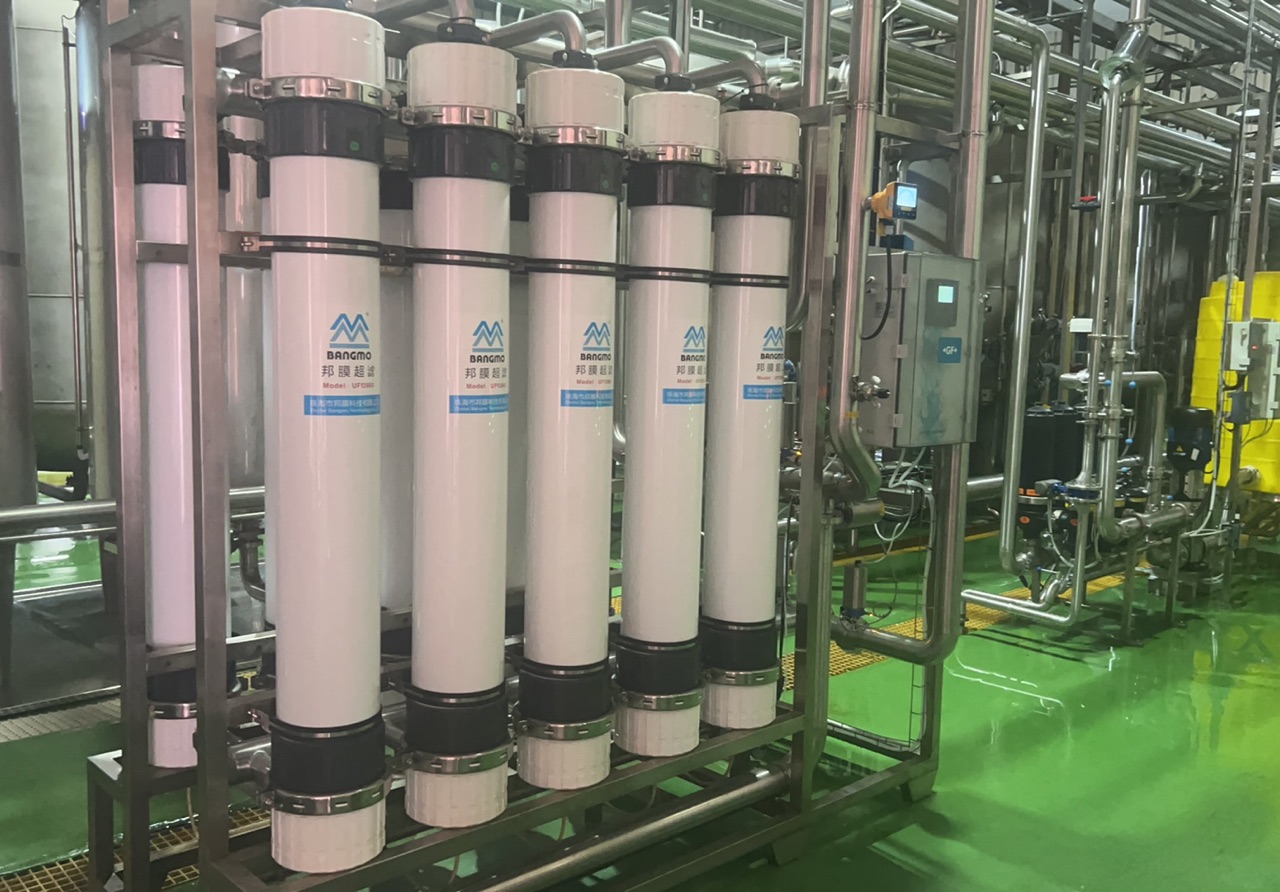
To increase water use efficiency, Swire Coca-Cola has implemented water reduction and recycling technologies across various plants. All plants in the Chinese Mainland now recover 100% of the forward and backwash water from their sand and carbon filters for use in washing and cooling. Ongoing enhancements to existing technologies and processes are made to improve its WUR performance.
At its Hubei still plant, the water recovery system has been upgraded to increase the recovery rate from 60% to 95%. It was achieved through the expansion of recovery tank capacity, process optimisation, and enhancements in water purification efficiency. Real-time monitoring of microbial indicators ensures compliance with control standards. With these enhancements, annual water recovery at the plant is projected to reach 30,000 tonnes, further reducing the need for freshwater withdrawal.
We use recycled water and rainwater to reduce our need to draw on freshwater supplies.
Swire Coca-Cola uses recycled water and water-free alternatives such as dry lubricants and ionised air where possible. Wastewater from manufacturing is reused for cleaning, irrigation, and toilet flushing. Water used in cooling lines and systems is reused in condensing towers. In the Chinese Mainland, reusing rejected reverse osmosis (RO) water and backwash water from activated carbon filter tanks contributed to a significant freshwater use reduction. Once this best practice is rolled out, 90% of backwash water is expected to be reused.
Swire Coca-Cola uses water recycling technologies that can reuse
90% of backwash water
Swire Properties treats and reuses office pantry wastewater and rainwater for toilet flushing, irrigation and cleaning purposes. Several Chinese Mainland properties including Taikoo Hui, INDIGO, Taikoo Li Chengdu, and HKRI Taikoo Hui have installed systems to collect and treat wastewater and rainwater. In Hong Kong, using the rainwater and grey water recycling systems at One Taikoo Place and Two Taikoo Place, together with the RO system to recycle process water from the cooling tower, total freshwater demand in the office towers can be reduced by approximately 50%.
HAECO, with support from the Swire Pacific Sustainable Development Fund, has piloted a new wastewater treatment system in the composite maintenance and repair plant in Fujian, Chinese Mainland. The treatment system has provided approximately 40 tonnes of high quality water each month for reuse applications such as gardening, solar PV washing and component cleaning. A wastewater treatment plant upgrade is also in progress in HAECO Hong Kong. Once completed, treated water will be used for water scrubbers. contributing to a significant reduction equivalent to around 13% of the company’s total consumption.
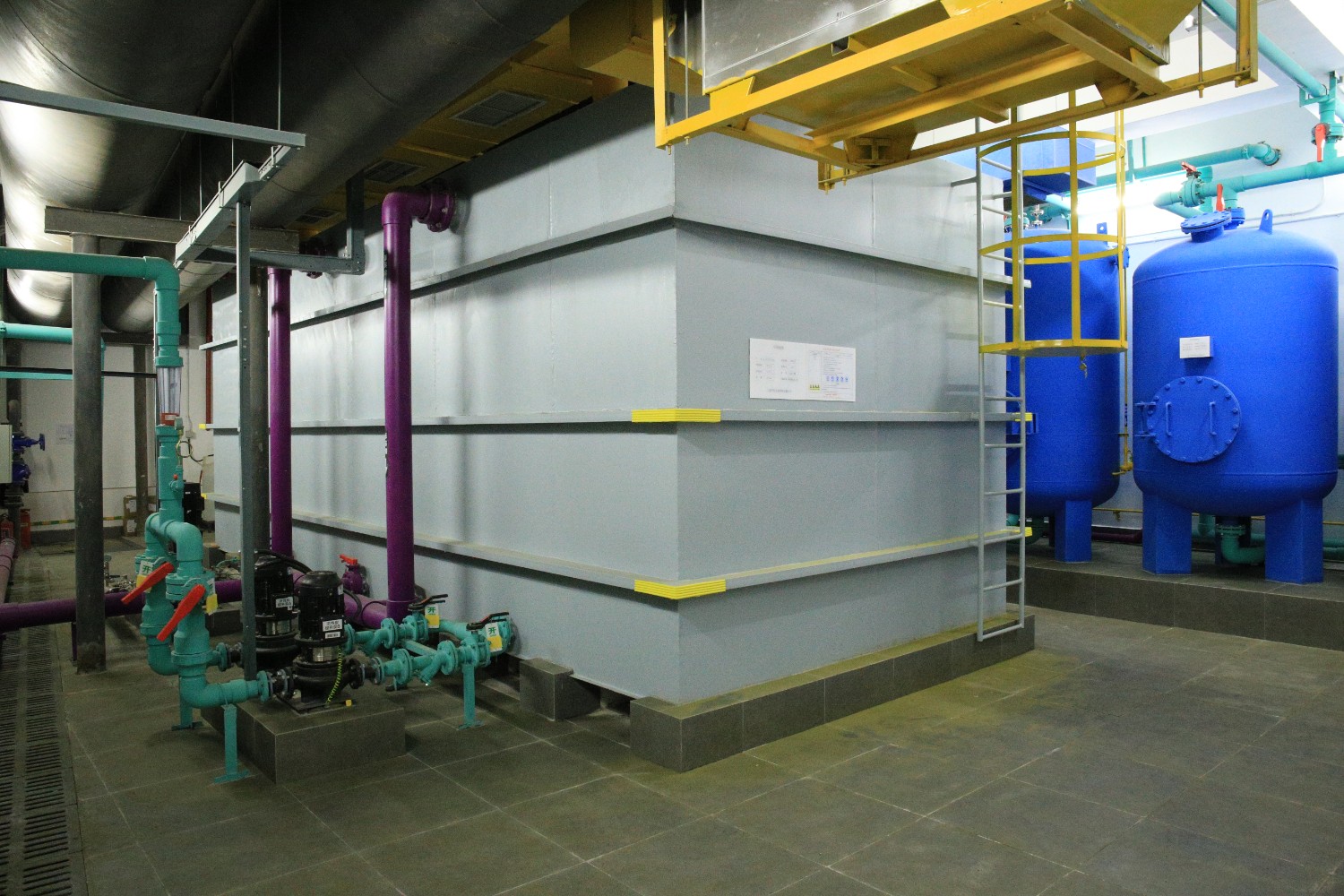
The original grey water system at Taikoo Li Chengdu served both the mall and the hotel, drawing limited grey water from hotel showers, swimming pool flushing, and cooling tower drainage. Because the supply was limited, the system often required supplementary tap water to operate effectively.
The system has now been upgraded to a membrane bioreactor system capable of filtering dissolved solids and producing high-quality effluent. It can now capture wastewater from a broader range of sources, including a sewage outlet and two fire service system drains. The recycled water can be used for outdoor irrigation, toilet flushing and car park cleaning. The enhanced system is expected to save over 69,000 cubic metres of potable water every year.
Pollution affects the quality of local water sources, so it is important to ensure that water is discharged safely in compliance with local regulations.
Swire Coca-Cola treats wastewater onsite before it is discharged at all of its bottling plants in the Chinese Mainland, Hong Kong, Taiwan, Vietnam and Cambodia. All of Swire Coca-Cola’s bottling plants comply with local water quality regulations and are required to follow the wastewater management requirements of The Coca-Cola Company. Performance is monitored. In the Chinese Mainland, an online monitoring system is used to track wastewater compliance.
Where necessary, Swire Coca-Cola bottling plants and companies in the HAECO group have onsite wastewater treatment facilities. For example, HAECO Xiamen uses heavy metal monitoring equipment and detectors to check effluents before discharge.
We strive to minimise freshwater withdrawal by reducing water consumption and maximising water reuse and recycling whenever feasible. There are cases where there is no substitute for water, such as the water that goes into our final beverage products. For the remaining water footprint, we replenish natural water sources through partnerships.
Swire Coca-Cola actively supports The Coca-Cola Company on its community and watershed protection projects in the Chinese Mainland and South East Asia. The Coca-Cola Company has a target to replenish water of a volume equivalent to the volume of products it sells globally. Swire Coca-Cola has identified plants located in vulnerable water sources where it will prioritise its replenishment efforts.
Our operating companies have made steady progress and are actively making investments to further reduce freshwater consumption. The Water Working Group will focus on enhancing data collection and monitoring of our water data. We will continue to explore water replenishment partnership opportunities in locations where we operate.
DisclaimerPrivacy StatementSwire Pacific corporate site
Copyright © 2026 Swire Pacific Limited 太古股份有限公司.
All rights reserved.